28 October 2026
How Long Does a Norweco Singulair Green System Last
Presented by @chancewacj861
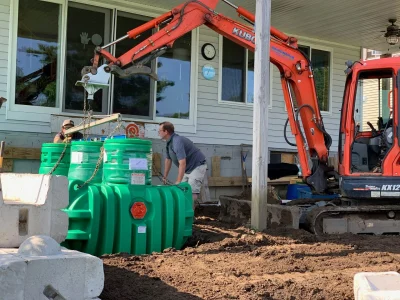
When homeowners ask how long a norweco singulair green system lasts, they are usually asking two different questions at once. The first is about the concrete tank and buried components, which people hope will last for decades. The second is about the working parts, such as the aerator, controls, pumps, and alarms, which have their own service life and maintenance needs. Those are not the same timeline, and treating them as if they are can lead to disappointment.
In practical terms, a properly installed Norweco Singulair Green system can serve a property for several decades. The tank structure itself may last 30 to 40 years or more in favorable conditions. Some installations remain serviceable even longer. The mechanical and electrical parts inside that system usually work on a shorter cycle. Aeration and control components often need repair or replacement somewhere in the 10 to 20 year range, sometimes earlier if maintenance has been neglected, and sometimes later if service has been consistent and the environment is gentle.
That distinction matters. I have seen homeowners panic over a worn motor and assume the whole treatment system is “shot,” when the tank and process chambers were still in very good shape. I have also seen the opposite, where a system still hummed along electrically, but chronic solids carryover, root intrusion, poor drainage, or structural deterioration made it clear the bigger picture was not healthy. A realistic lifespan depends on what part of the system you are talking about, how it was installed, and how it has been treated since the day it went into the ground.
The lifespan question starts with the type of system
A Norweco Singulair Green is not a bare-bones septic tank. It is an aerobic treatment system designed to treat wastewater to a higher standard than a conventional gravity septic setup. That matters because a higher-performance treatment unit includes more components and more moving parts. More treatment capability usually means better effluent quality, but it also means the system relies on routine service to keep doing its job.
At the broadest level, you can think of the lifespan in layers. The outer shell and internal concrete structure tend to last the longest. Buried piping can last a long time too, assuming proper bedding, no crushing loads, and no root invasion. Electrical controls, alarms, floats, pumps, and aeration equipment live a harder life. Wastewater is corrosive. Moisture reaches places you wish it would not. Tiny service delays become bigger problems because treatment units work continuously rather than only when a toilet is flushed.
That is why broad statements like “these systems last 20 years” are too simplistic. Some parts may. The overall installation can outlast that by a wide margin.
What homeowners can realistically expect
A fair expectation for a well-installed and maintained system looks something like this. The tank and main treatment structure may remain usable for 30 years or more. An aerator motor might run reliably for roughly 10 to 15 years, though I would not be surprised by either side of that range. Controls, timers, and alarms often land in a similar range. Pumps can last 7 to 15 years depending on how often they cycle, whether they are sized correctly, and whether grease, wipes, or grit are stressing the impeller and seals. Chlorination or disinfection components, if part of the discharge setup required by the local authority, have their own maintenance rhythm and should not be judged on the same timeline as the core tank.
Those numbers are not guarantees. They are grounded expectations. If a property has stable soil, moderate household use, and regular inspection, the system usually ages gracefully. If the unit serves a large family, receives abuse from non-flushables, or sits in wet ground with poor drainage, the clock moves faster.
I once looked at two aerobic treatment systems in the same county, installed within a year of each other. One was serving a retired couple and had excellent service records. The access lids were intact, sludge levels were monitored, and the owner called for help at the first sign of an alarm. The second was on a rental property where no one could say when it had last been pumped. Wipes were present, the aerator had been noisy for months, and surface runoff drained straight toward the tank. The difference in wear between those two systems was dramatic. Age alone explained very little.
The biggest factors that affect how long a Norweco Singulair Green system lasts
A system’s lifespan is shaped by use patterns, local conditions, and the quality of care it receives over time. Five factors tend to make the biggest difference:
- installation quality, including proper leveling, sound electrical work, and correct drainfield or discharge design
- regular service, especially inspection of aeration, sludge levels, alarms, and effluent quality
- household loading, meaning how much wastewater the home produces and how evenly it is spread out
- what enters the system, such as wipes, grease, harsh chemicals, or large surges from leaking fixtures
- environmental stress, including groundwater pressure, root intrusion, corrosive conditions, and vehicle traffic over buried components
Each of those deserves a little more attention because they do not fail in isolation. Poor installation might not show up for years. A tank set in marginal conditions can seem fine until a wet season pushes groundwater against the structure or infiltrates around joints. Likewise, a house with a hidden toilet leak may send hundreds of extra gallons a day through the treatment train, wearing out pumps and reducing treatment quality long before anyone realizes the problem is hydraulic rather than mechanical.
Structural life versus mechanical life
The concrete body of the system is usually the longest-lived piece, assuming it was manufactured well and protected from unusual chemical or physical damage. Concrete wastewater tanks can deteriorate if exposed to aggressive gases, chronic moisture intrusion, or freeze-thaw stress in vulnerable areas, but many do quite well over long periods. Access risers, lids, and seals may need attention sooner than the tank itself. Those details matter because a compromised lid or riser allows water intrusion, and extra clear water can upset treatment and increase pump run time.
The mechanical side is where aging becomes more visible. Aeration equipment does not quit all at once in every case. Sometimes it gets louder first. Sometimes the treatment quality slips. Sometimes an alarm reveals a control issue before the homeowner notices anything else. These are good problems to catch early. Replacing an aerator or float is routine compared with trying to rehabilitate a neglected system that has been underperforming for years.
The lesson here is simple. A Norweco Singulair Green system can have a long overall life even when individual components are replaced along the way. That is not a sign that the technology failed. It is the normal lifecycle of a treatment unit with working parts.
How maintenance changes the answer
If you want the short version, maintenance can add years, sometimes many years, to the useful life of the system.
Aerobic treatment units need regular observation because the process depends on oxygen transfer, solids management, and proper flow through the compartments. When those conditions drift, the damage is not always immediate, but it accumulates. Solids can move where they do not belong. Pumps work harder. Effluent quality declines. A simple issue, if ignored, becomes an expensive one.
For most homeowners, the best approach is not to become a treatment specialist overnight. It is to understand the signals that matter, keep a service relationship with a qualified provider, and avoid introducing stress into the system. Scheduled inspection intervals vary by local regulation and by property, but many owners benefit from professional checks at least annually, and in some jurisdictions more often.
The most useful habits are straightforward:
- respond to alarms promptly rather than waiting to “see if it clears itself”
- pump solids when inspection shows it is time, not only after a backup
- spread out heavy water use, especially laundry, over the week
- keep service records so recurring issues can be spotted early
- protect the area from traffic, root-heavy plantings, and uncontrolled runoff
What sounds mundane on paper is powerful in practice. A homeowner who knows when the unit was last serviced, when sludge was last measured, and whether the aerator has changed sound or performance is miles ahead of the person who only thinks about the system when the yard smells bad.
Signs a system is aging, even if it still works
Many systems do not fail dramatically at first. They fade. That is why experienced service technicians pay attention to trends rather than a single moment.
Aging may show up as more frequent alarms, higher pump run times, uneven treatment performance, odors near the unit, or standing water where none used to appear. It may appear inside the tank as corrosion around certain areas, baffle deterioration, excess solids carryover, or evidence that infiltration is entering where it should not. Sometimes the warning sign is a jump in service calls. If the same component category keeps needing attention, the issue may be broader than a one-off repair.
Homeowners often ask whether one major repair means replacement is near. Not necessarily. Replacing a motor or pump in year 12 does not mean the entire installation only had a 12-year life. The better question is whether the underlying structure is sound, whether treatment performance can be restored reliably, and whether the pattern of failures suggests cumulative decline.
A good technician should be able to explain that difference plainly. If the tank is structurally good, hydraulics are manageable, and the dispersal or discharge side remains functional, targeted component replacement may make perfect sense. If the structure is compromised, infiltration is severe, or the discharge path has effectively failed, repairs become harder to justify.
The drainfield or discharge side often decides the real-world lifespan
This is one of the more overlooked truths in onsite wastewater systems. The treatment unit may be serviceable, but the overall system only works if the treated water has somewhere appropriate to go. Depending on the approved design, that may mean spray irrigation, drip dispersal, a polishing field, or another managed discharge arrangement. If that downstream piece clogs, floods, or becomes hydraulically overloaded, the whole installation suffers.
That is why some homeowners feel their “septic system failed” when the treatment tank was not the main problem at all. The drainfield or final dispersal area can shorten the useful life of the full system if soils are poor, if solids escape due to neglected maintenance, or if stormwater saturates the disposal area regularly.
This point is especially important when evaluating older systems. A 25-year-old Norweco Singulair Green unit may still be worth repairing if the disposal side is healthy. The same age system may be a poor candidate for continued piecemeal fixes if the field area has chronic failure and site constraints make rehabilitation difficult.
Climate, occupancy, and daily habits matter more than people think
Systems serving a vacation home often age differently from systems serving a full-time household. Intermittent use is not always easier. Long idle periods can create their own quirks, and then holiday surges arrive all at once. On the other hand, a stable year-round household with moderate water use can be ideal.
Climate also influences life expectancy. In wet regions, groundwater and surface drainage create constant pressure. In cold climates, shallow components, exposed lines, and lids may face freeze concerns. In hot areas, some above-grade or lightly protected electrical pieces weather faster. None of that dooms the norweco singulair green system, but it changes the maintenance profile.
Water behavior inside the home may be the most underrated factor of all. A running toilet can add a shocking amount of daily flow. Back-to-back laundry loads create surges that move solids and stress pumps. Garbage disposal use adds organic load and solids. Bleach and cleaners, in normal household amounts, are rarely the sole villain people imagine, but repeated dumping of strong chemicals, paint residues, solvents, or non-flushable products can absolutely damage treatment performance and component life.
When repair makes sense, and when replacement is smarter
There is no single age at which replacement becomes the right call. I would be wary of anyone giving a hard number without inspecting the actual system. Instead, I look at several things at once: structure, treatment performance, service history, frequency of breakdowns, condition of electrical and mechanical parts, and the status of the final dispersal or discharge area.
A 15-year-old system with a failed aerator but healthy structure is often a straightforward repair. A 30-year-old system with repeated motor issues, poor effluent, compromised concrete, and a saturated field is a different conversation. Cost matters too. If repair after repair starts approaching the price of major rehabilitation, norweco singulair green owners deserve a candid comparison rather than a series of temporary fixes.
This is where records really help. A folder with install details, service tickets, pumping history, and alarm notes tells a clear story. Without records, every problem looks isolated. With records, patterns emerge.
What owners can do right now to help the system last
If you have a Norweco Singulair Green system and want the longest practical life from it, do not wait for a crisis. Open the paper trail first. Find out when it was installed, when it was last inspected, whether it has a maintenance contract, and when the solids level was last checked. If you do not know those answers, that is the first issue to solve.
Then pay attention to daily loading. Most treatment systems prefer consistency over extremes. Spreading laundry through the week, fixing leaks quickly, and keeping wipes, grease, and inappropriate chemicals out of the system does more for longevity than people expect. So does controlling roof runoff and grading around the tank area so stormwater is not invited into the system’s world.
If the unit has an alarm, treat it like the check-engine light on a vehicle you actually want to keep. You might still get home if you ignore it, but that does not mean the decision was cheap.
A realistic answer for planning and budgeting
For budgeting purposes, I usually advise owners to think in layers rather than one single replacement date. Expect the buried structure to have a multi-decade life if conditions are good. Expect motors, pumps, floats, and controls to need attention on a shorter cycle. Expect periodic pumping and inspection as part of ownership, not as a surprise. And expect the disposal side to deserve just as much respect as the treatment unit itself.
That framework leads to better decisions because it matches how these systems actually age. It also keeps homeowners from making two common mistakes. The first is assuming every repair means total replacement is imminent. The second is assuming a system that still runs must be healthy everywhere.
A well-cared-for norweco singulair green system can absolutely be a long-term asset. Many are. But longevity is earned through installation quality, reasonable household use, and disciplined maintenance. If those pieces are in place, decades of service are realistic. If they are not, even a premium treatment unit can have a much shorter and more expensive life.
The most honest answer to the original question, then, is this: the system can last a very long time, often 30 years or more as an overall installation, but only if you separate structural lifespan from component lifespan and maintain both with the seriousness they deserve.
Excavating New Jersey LLC
406 County Rd 565, Wantage, NJ 07461, United States
+1 973-791-4284
FAQ About norweco singulair green
How much does a NORWECO septic system cost?
The installed cost depends on the selected unit, engineering, site access, excavation, electrical work, disposal-field design and required approvals. A tank-only price is not a complete installation quote. Ask Excavating New Jersey LLC for a site-specific, itemized estimate that also explains ongoing service costs.
How does a Norweco septic system work?
The Singulair Green uses pretreatment, aeration, clarification and filtration to treat domestic wastewater. In the aeration chamber, oxygen supports bacteria that break down organic material. The Bio-Kinetic unit provides further filtration and flow equalization. Final effluent disposal must follow the property's approved design and applicable requirements.
What is the average lifespan of a septic system?
There is no guaranteed lifespan for every system. Design, installation, soil conditions, wastewater loading and regular maintenance all matter, and mechanical parts may need replacement before the tank. For a Singulair Green system, follow the manufacturer's service schedule and have a qualified provider assess its condition and pumping needs.